
Missing a tooth (or several) is one of those problems that quietly affects everything: what’s easy to eat, how clearly words land, and whether you smile without thinking about it.
In Sydney, there’s no shortage of “solutions” on offer, but the real work is choosing the right path for your mouth, timeline, and budget.
Dental implants are often discussed as the gold-standard option, but they’re not the only option—and they’re not automatically the right option for everyone.
This guide breaks down implants, bridges, and dentures in plain English, so the decision is based on fit and trade-offs rather than marketing.
Why tooth replacement is a decision, not a product
Tooth replacement isn’t just about filling a gap.
It’s about restoring function (chewing, speaking), maintaining jaw and gum health, and choosing something you can live with day-to-day.
It also involves constraints: bone health, adjacent teeth, bite forces, sleep habits (like clenching), general health factors, time off work, and how much ongoing maintenance you’re willing to do—especially if you’re considering an implant tooth replacement consult in Sydney.
A good decision is one where the compromises are chosen on purpose, not discovered later.
Dental implants vs bridges vs dentures
Each option can be appropriate depending on the situation, and each comes with a different “deal” you’re making.
Dental implants (single tooth or multiple teeth)
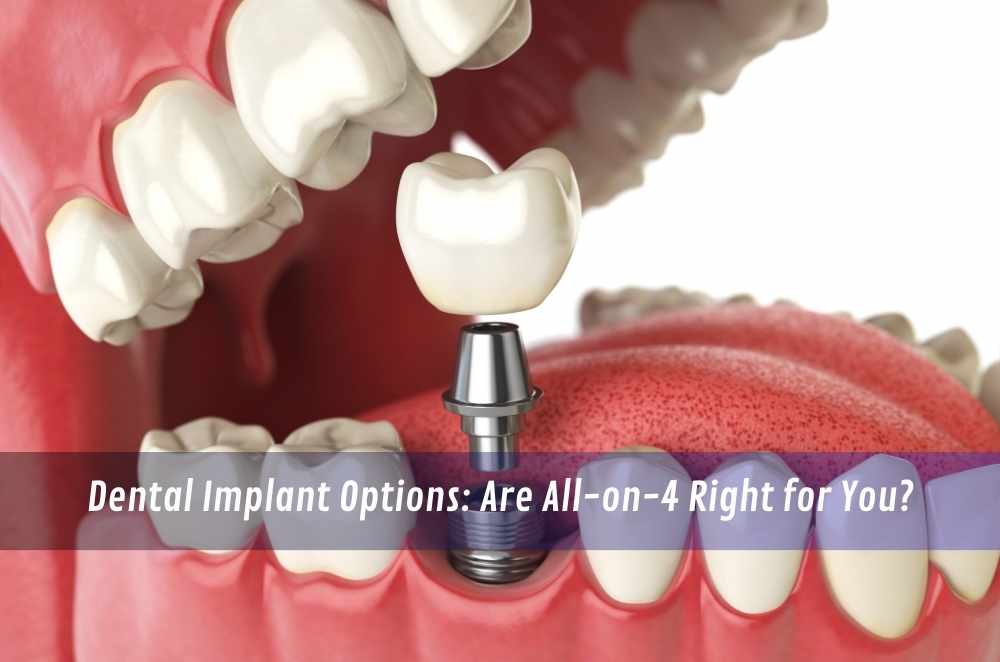
An implant is typically a small titanium (or titanium-alloy) fixture placed into the jawbone, designed to support a crown, bridge, or denture.
The appeal is simple: it aims to replace the missing tooth root as well as the visible tooth, which can help with stability and function.
The trade-offs are also simple: implants usually require more planning, more appointments, and more healing time than some alternatives.
Implants can be used for one missing tooth, multiple missing teeth (with implant-supported bridges), or to stabilise dentures (implant-retained dentures).
Bridges (fixed, tooth-supported)
A bridge usually replaces one or more missing teeth by attaching to adjacent teeth.
This can be a solid option when the neighbouring teeth already need crowns, or where implants aren’t suitable.
A key trade-off is that supporting teeth may need to be prepared (often reduced), which is a long-term commitment.
Bridges can be faster than implants in some cases, but longevity depends heavily on bite forces, hygiene access, and the health of supporting teeth.
Dentures (removable)
Dentures can replace multiple teeth and can be the most accessible path upfront for some people.
They can also be a practical interim step if longer-term treatment is being staged.
The compromise is that removable appliances can move, may affect chewing efficiency, and require adaptation—especially for lower dentures.
Even well-made dentures need periodic reviews and adjustments as gums and bone change over time.
Who may be a candidate for implants (and who may need a different plan)
A common misconception is that implants are mostly about age.
In reality, candidacy often comes down to bone quality/volume, gum health, bite habits, and overall risk factors.
Factors that often support implant suitability
Healthy gums and controlled gum disease history.
Adequate bone or a feasible plan to rebuild it.
A stable bite and manageable clenching/grinding (or willingness to use a night guard).
A commitment to consistent cleaning and maintenance appointments.
Factors that may complicate implants (not always rule them out)
Untreated gum disease or poor plaque control.
Significant smoking/vaping habits, particularly around healing time.
Uncontrolled diabetes or other health issues that affect healing (this is individual and clinician-guided).
Certain medications and medical histories that require careful coordination with a GP or specialist.
Limited bone volume in the implant site (sometimes addressed with grafting, sometimes not worth the extra complexity).
The point isn’t to self-diagnose—it's to understand why a thorough consult and imaging matter.
Decision factors that actually matter (beyond “implants last forever”)
People often ask, “What lasts the longest?” but the better question is: “What’s most predictable for me if I look after it?”
1) Total timeline and disruption
Implants can involve surgical placement and a healing phase, which can be weeks to months depending on complexity.
Bridges may be quicker in straightforward cases.
Dentures can also be relatively quick, but adaptation time is real and varies a lot.
2) What happens to the neighbouring teeth
A tooth-supported bridge uses adjacent teeth as anchors.
If those teeth are healthy and untouched, that’s a big consideration.
If those teeth already need significant work, a bridge can sometimes make more sense.
3) Maintenance and “cleanability”
Implants are not “set and forget.”
They need careful daily cleaning and professional maintenance, just like natural teeth, and sometimes more.
Bridges also require specific cleaning techniques (like floss threaders or water flossers) to clean underneath.
Dentures need daily removal and cleaning, plus gum and tongue care.
4) Bone and gum changes over time
After tooth loss, bone can reduce over time, which can affect the fit of dentures and facial support.
Implants may help maintain function at the site because they transmit load to bone, but outcomes vary with biology and habits.
5) Cost drivers (without pretending there’s one “price”)
Implant cost isn’t just the implant.
It can include imaging, surgical planning, grafting, the implant fixture, abutment, crown/bridge, and follow-up care.
For bridges and dentures, cost drivers include materials, complexity, and how many teeth are involved.
A good consult explains what’s included, what’s optional, and what risks could add steps later.
Common mistakes people make before choosing implants
Mistakes here are usually about rushing decisions—or focusing on the wrong details.
Mistake 1: Choosing based on a single headline promise.
“Fast,” “pain-free,” or “permanent” language hides the reality that your biology sets the pace.
Mistake 2: Not comparing options in the context of the whole mouth.
A replacement tooth doesn’t exist in isolation; bite forces, existing restorations, and gum health matter.
Mistake 3: Ignoring gum disease history.
If gums aren’t stable, any option is more likely to struggle.
Mistake 4: Treating implant maintenance like optional extras.
Skipping reviews and cleaning can turn a good outcome into a preventable problem.
Mistake 5: Not asking what happens if things don’t go to plan.
A trustworthy provider talks about contingencies: what they’d do if bone is limited, if healing is slower, or if a temporary solution is needed.
A simple 7–14 day action plan (before committing to treatment)
This plan is designed to reduce “decision regret” and help a consult feel productive rather than overwhelming.
Days 1–3: Write down what you actually want back.
Is it chewing on one side again, eliminating a visible gap, stabilising a denture, or stopping food traps?
Days 1–3: List constraints.
Time off work, upcoming travel, budget range, medical conditions, anxiety triggers, and whether you clench/grind.
Days 4–7: Book a consult that includes proper assessment.
That usually means gum evaluation, bite assessment, and appropriate imaging for implant planning where relevant.
If it helps to walk in prepared, the Blue Mountains Dental & Implant Centre implant consult guide is a straightforward starting point for the questions to ask and what information to bring.
Days 7–10: Ask for your options in “Plan A / Plan B” format.
Plan A might be the ideal long-term option; Plan B might fit your timeline, budget, or anatomy better.
Days 10–14: Confirm the maintenance plan.
Ask what home care is expected, how often reviews are recommended, and what warning signs should trigger a check-up.
Operator Experience Moment
One of the most helpful turning points in implant consults is when the conversation moves from “Can I get an implant?” to “What needs to be true for this to be predictable?”
When people understand that planning, hygiene, and bite forces are part of the outcome, the decision feels calmer—and the chosen option tends to fit real life better.
Local SMB Mini-Walkthrough (Sydney)
A Sydney café owner notices chewing on the left side has become awkward after a back molar extraction.
They start with a consult to check gum health, bite forces, and whether the space has shifted since the tooth was lost.
Imaging confirms the bone situation and whether grafting would be needed, rather than guessing.
They compare an implant plan with a bridge option, factoring in rostered time off and busy periods.
A short-term temporary solution is discussed so they can keep working comfortably during healing.
They leave with a staged plan, maintenance expectations, and a clear list of “if X happens, we do Y” contingencies.
Practical Opinions (exactly 3 lines)
If the neighbouring teeth are pristine, it’s worth being cautious about sacrificing them for a bridge.
If hygiene routines are inconsistent today, choose the option you can realistically maintain—not the fanciest one.
If timelines are tight, prioritise a plan that reduces risk of mid-treatment surprises.
Key Takeaways
Implants, bridges, and dentures can all be “right” depending on gums, bone, bite, timeline, and maintenance habits.
The best consult explains trade-offs and contingencies, not just the ideal scenario.
Don’t decide on headlines—decide on predictability, cleanability, and how the plan fits your life.
A 7–14 day preparation sprint can make the consult more useful and reduce decision regret.
Common questions we hear from Australian businesses
Q1: How long does the implant process usually take from consult to final tooth?
It depends on bone health, whether grafting is required, and how healing progresses. A practical next step is to ask for a staged timeline (temporary option, surgery phase, restoration phase) in writing at the consult. In Sydney, work schedules and commute time can matter more than people expect, so factor appointments into peak periods.
Q2: Usually, is an implant better than a bridge for one missing tooth?
Usually, it comes down to the condition of the neighbouring teeth and the long-term maintenance trade-off. A practical next step is to request both options side-by-side with pros/cons and what each means for cleaning access. In many Australian practices, the “best” option is the one that fits mouth health and the patient’s ability to maintain it.
Q3: In most cases, what should someone bring to an implant consult to make it efficient?
In most cases, bring a list of medications, relevant medical history, and a short description of your goals and constraints (timeline, anxiety, budget range). A practical next step is to write down 5 questions in advance—especially about maintenance and contingencies. In Sydney, many people are juggling work and family logistics, so clarity upfront helps reduce back-and-forth appointments.
Q4: It depends—can smokers or vapers get dental implants?
It depends on the level of use, gum health, and willingness to modify habits around healing time, because these factors can affect predictability. A practical next step is to be upfront about usage and ask what changes are recommended before and after surgery. In Australia, clinicians often take a risk-managed approach and may suggest staged care to reduce complications.



Write a comment ...